Why AWS Is Important for a DevOps Engineer 🚀
Tech enthusiast | Code craftsman | DevOps explorer | Turning bugs into features one line at a time 🚀
In today’s fast-paced software world, DevOps is no longer just a buzzword—it’s a culture, a practice, and a career path. At the center of modern DevOps workflows lies the cloud, and Amazon Web Services (AWS) stands out as the most widely adopted cloud platform globally.
For a DevOps engineer, AWS is not optional—it’s essential. Let’s explore why AWS is so important for DevOps engineers and how it empowers them to build, deploy, and scale applications efficiently.
1️⃣ AWS Enables Complete DevOps Lifecycle
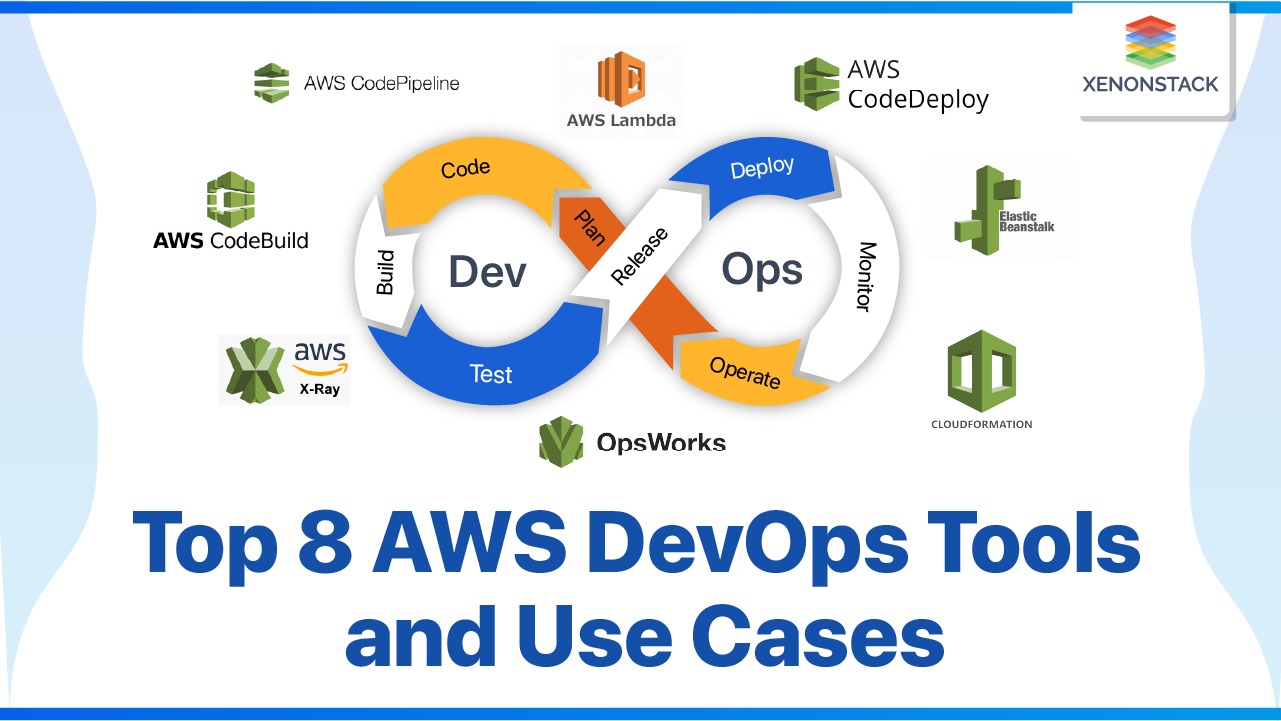
DevOps focuses on automating the entire software delivery lifecycle—from development to deployment and monitoring. AWS provides managed services for every stage:
Code – AWS CodeCommit
Build – AWS CodeBuild
Test – Integrated testing in pipelines
Deploy – AWS CodeDeploy, Elastic Beanstalk
Monitor – Amazon CloudWatch, CloudTrail
👉 This end-to-end support allows DevOps engineers to design fully automated CI/CD pipelines without relying heavily on third-party tools.
2️⃣ Infrastructure as Code (IaC) Made Easy
One of the core DevOps principles is Infrastructure as Code (IaC)—managing infrastructure using code instead of manual configuration.
AWS supports this through:
AWS CloudFormation
Integration with Terraform
Benefits for DevOps engineers:
Repeatable infrastructure
Version-controlled environments
Faster provisioning
Reduced human error
💡 With IaC, DevOps engineers can spin up entire environments in minutes.
3️⃣ Scalability and High Availability
Applications today must handle unpredictable traffic. AWS excels at this with services like:
Auto Scaling Groups
Elastic Load Balancing
Amazon EC2 & ECS/EKS
For DevOps engineers, this means:
Designing self-healing systems
Handling traffic spikes automatically
Ensuring high availability with minimal downtime
AWS helps DevOps teams move from reactive to proactive operations.
4️⃣ Strong Support for Containers & Microservices
Modern DevOps heavily relies on containers and microservices.
AWS provides:
Amazon ECS – Managed container orchestration
Amazon EKS – Managed Kubernetes
AWS Fargate – Serverless containers
With these services, DevOps engineers can:
Deploy containerized apps easily
Reduce server management
Scale microservices independently
🐳 Kubernetes + AWS is one of the most in-demand DevOps skill combinations.
5️⃣ Built-in Security & Compliance
Security is a shared responsibility in DevOps (DevSecOps). AWS offers enterprise-grade security tools:
IAM (Identity and Access Management)
VPC & Security Groups
AWS Shield & WAF
Encryption at rest and in transit
For DevOps engineers, AWS enables:
Secure CI/CD pipelines
Fine-grained access control
Compliance with global standards
🔐 Security is not an add-on—it’s built into AWS by design.
6️⃣ Monitoring, Logging & Observability
Monitoring is critical in DevOps to ensure reliability and performance.
AWS provides:
Amazon CloudWatch – Metrics, logs, alarms
AWS X-Ray – Distributed tracing
CloudTrail – API auditing
This helps DevOps engineers:
Detect issues early
Analyze system behavior
Improve application reliability
📊 “If you can’t measure it, you can’t improve it.”
7️⃣ Cost Optimization & Pay-As-You-Go Model
AWS follows a pay-as-you-go pricing model, which is ideal for DevOps practices.
DevOps engineers can:
Automate shutdown of unused resources
Optimize costs using monitoring data
Design cost-efficient architectures
This aligns perfectly with DevOps goals of efficiency and optimization.
8️⃣ High Demand & Career Growth
From a career perspective:
AWS is the most in-demand cloud skill
Most DevOps job descriptions require AWS knowledge
AWS certifications boost credibility and salary potential
🎯 A DevOps engineer with AWS expertise is highly valuable in startups and enterprises alike.
🔚 Conclusion
AWS is more than just a cloud provider—it’s a DevOps enabler. From automation and scalability to security and monitoring, AWS gives DevOps engineers everything they need to build modern, reliable, and scalable systems.
If DevOps is the engine, AWS is the fuel that keeps it running.


